Hey Photographer,Ever had someone tell you a frame was too grainy, too soft, a little crooked? Robert Frank got that review from an entire magazine.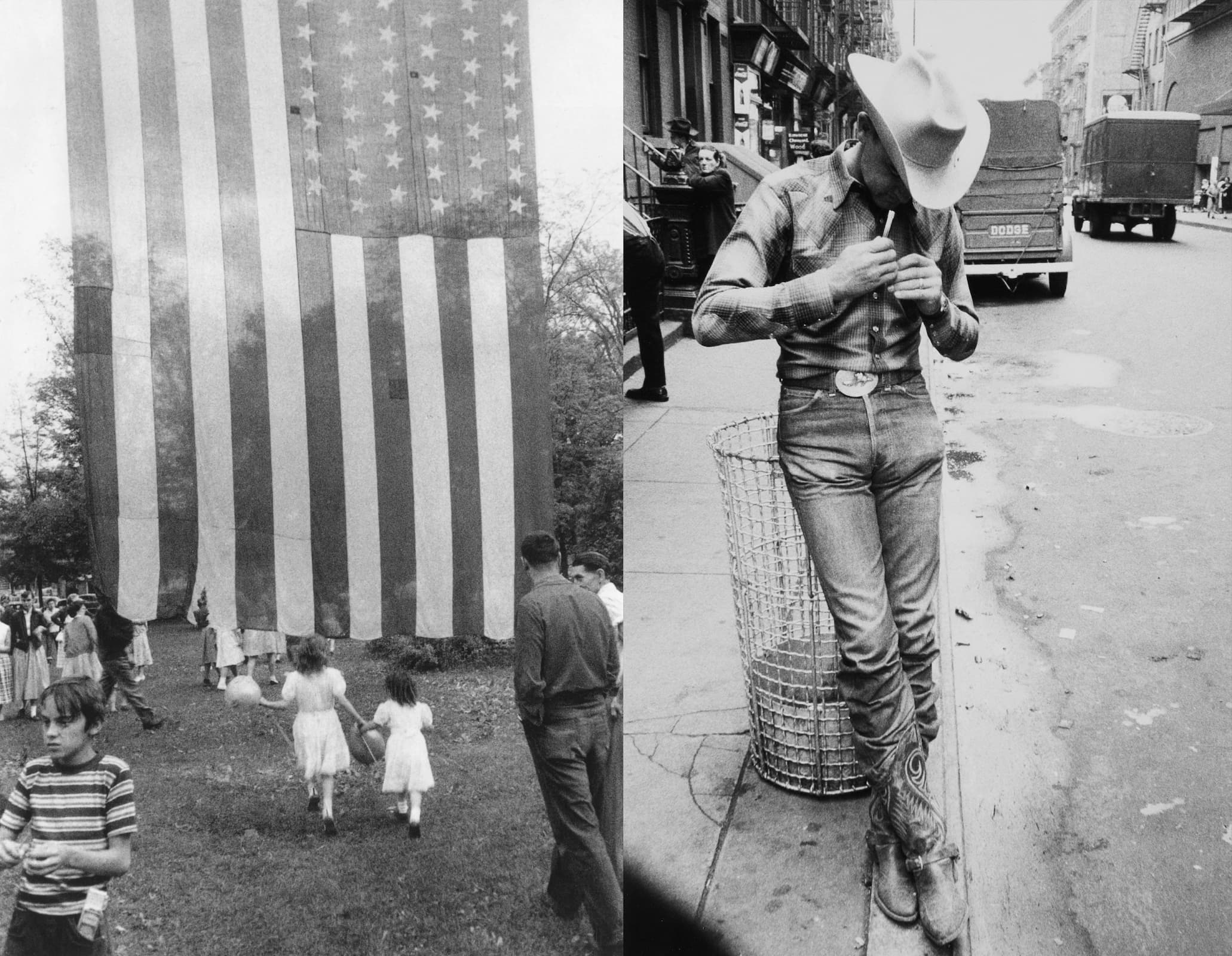 Robert FrankIn 1955, a Swiss photographer living in New York won a Guggenheim grant, got in a car, and spent 1955 and 1956 crossing more than 30 states with a Leica. About 10,000 miles. 767 rolls of film. More than 27,000 frames.He kept 83.The Americans came out in France in 1958 and here a year later, with an introduction by Jack Kerouac. Popular Photography went after the blur, the grain, the tilted horizons. Today the National Gallery calls it the most important photography book published since the war. 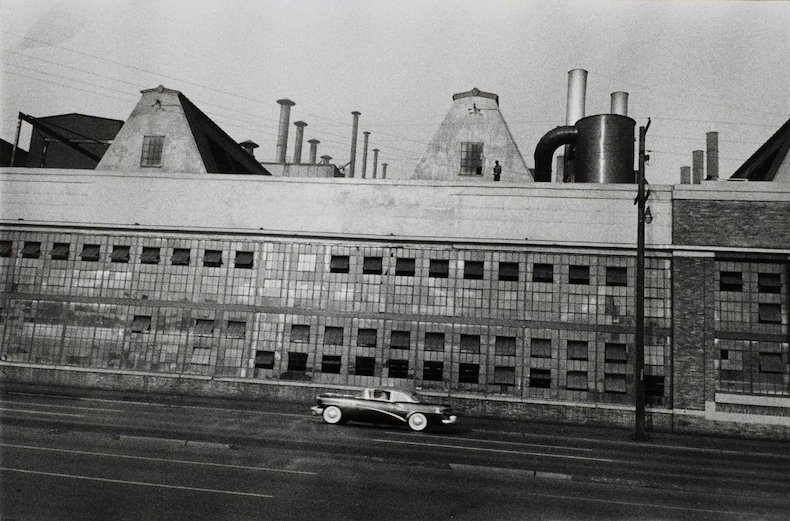 Robert FrankOne detail for the gear people: the Leica he carried was a 1930s body wearing a Nikkor 50mm f/1.4. He used whatever worked.Here’s what you can learn from Robert Frank:Shoot like film is cheap and edit like it’s expensive. Frank kept about one frame in every 325. Next time you come home with a full card, pick one. Not ten. One. |
Leave a Reply